
EMDC 2026 Executive Summary
Audio/Radio Training |
Making Meaningful Media |
Building Apps with Scripture App Builder |
Simply The Story |
FLExTrans |
Digital 2D Animation |
Intro to Video Production |
Introduction to Scripture Engagement |
Cross Cultural Mentoring |
AI Track (Foundation) |
Foundations for Refugee Ministry |
Music Video Production |
Foundations of Digital Engagement Strategies |
Scriptwriting |
PTXprint |
Scripture Forge Draft Generation (AI Drafting) |
Create Engaging Digital Learning Materials |
Another 13 tracks were available after the conference (post-EMDC):
Advanced Audio/Radio Recording |
Culture Meets Scripture |
Directing Dramatic Video |
Acting for Beginners |
Website Building |
One Story |
AI Track (Advanced) |
Improving Ethical Photographic Storytelling |
Storyweavers for Evangelism |
Advanced Visual Storytelling Techniques |
Psalms Alive!: Bringing the Psalms to Life as you Translate Them Into Song |
PTXprint Consultation |
Modern Publishing with Bloom |
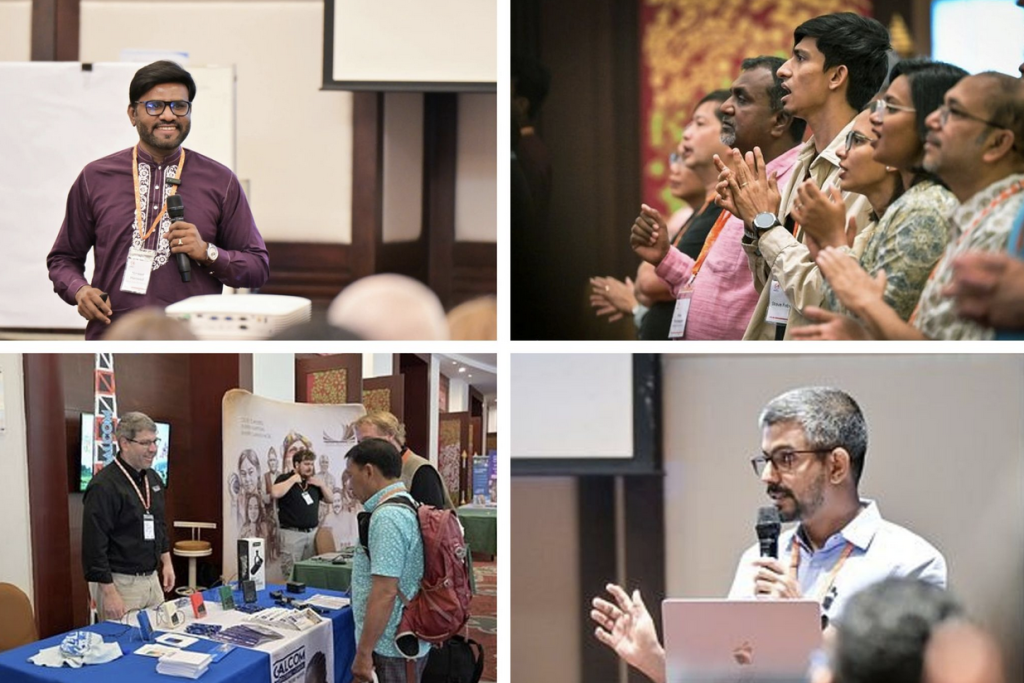
As always, EMDC was an excellent opportunity to encourage collaboration and partnerships between organisations and to share ideas and resources that we can use in our different contexts. The networking opportunities and meetings during meals and breaks are among the highlights and most fruitful aspects of being together.
1. Plenary Sessions
Plenary 1 – Engaging people in the Story
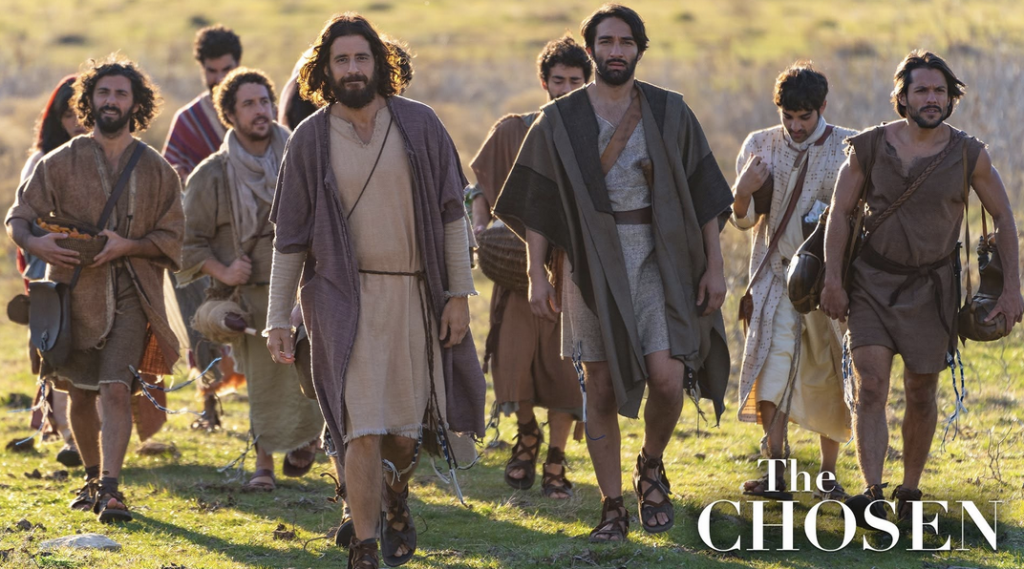
The first plenary session was by Stan Jantz and Ashish Nag on The Chosen, a series based on the life of Jesus and his disciples. Using the power of storytelling, it seeks to be relatable, immersive, memorable and emotionally engaging. The Chosen is stimulating interest in Scripture around the world, especially among younger generations. The Come & See Foundation is on a mission to ensure that all 7 seasons of The Chosen are produced, translated into 600 languages, globally distributed, and free for all.
Plenary 2 – Using what God has given us to tell the Story
The second plenary session was led by Marco Arjona from BibleProject. Many will be familiar with their animated explainer videos on books and themes from the Bible. Their mission is “to help people experience the Bible as a unified story that leads to Jesus.”
Marco took us to Exodus 17:14, where God tells Moses, “Write this on a scroll as something to be remembered …” God places his story in human hands, and so we need to ask what God is asking us to use and how we can use it faithfully so others can encounter the story that leads to Jesus.
BibleProject is making their resources available in multiple languages, with 55 languages available so far: https://bibleproject.com/languages/
Plenary 3 – God calls us in the Story
The third plenary session was led by Aldrin Bogi of Biblica. The session was personal, emphasising how we are part of God’s story:
- We are not the hero of the story but we are in the story, made in God’s image.
- God wants our hearts, not just our projects. Loving God supremely is at the heart of everything.
- Behind every act of idolatry there is forgetfulness: heart disease, as seen when Israel drifted from what God required.
- Stay committed to discipleship, slow and faithful in a fast and hurried world. Resist the rush and take time in unhurried devotion.
- There is nothing wrong with measuring impact, but it comes with the pressure to report big numbers. The one person matters to God. God is the boss, we are not!
- Be more than a signpost: be a sign, so people see the kingdom of God and see us being transformed, becoming a better story, a better storyteller.
2. Breakout Sessions
14 sessions were dedicated to breakout presentations, with a choice of five sessions at any one time, making a total of 70 sessions. Here is a summary of the topics covered:
Artificial Intelligence and emerging technologies
- Sessions explored AI-assisted Bible translation, including examples of New Testaments being produced much faster through church-based translation teams supported by AI. Others looked at AI-powered Bible engagement platforms, and how children may be discipled in a future shaped by AI and extended reality (XR).
- Alongside practical applications, there was also reflection on the theological and ethical implications of AI. We were encouraged to consider questions such as: Is AI merely a tool, or is it performing activities that should remain uniquely human? How should Christian beliefs about humanity, creativity, truth, relationships, and God shape the way we use AI?
Digital media and communication
- There was strong interest in helping ministries move beyond simply publishing content towards creating genuine engagement and discipleship journeys.
- Sessions covered podcasts, radio, social media, user experience design, digital invitations, and effective use of smartphones for ministry.
Bible translation innovation
- Several organizations presented AI-supported translation approaches, while others emphasized equipping local churches to lead translation efforts themselves.
- New training platforms and AI translation coaches aim to make translation skills more widely accessible.
Orality, storytelling and audio Scripture
- Storytelling remains a major theme, with workshops on oral Bible study, Bible storytelling, storyweaving, and emotionally accurate Scripture recordings.
- The emphasis was not only on conveying information, but on helping people experience and remember Scripture.
Children and Youth
- A number of presenters focused on reaching children through animation, storybooks, Bible competitions, games and digital experiences.
- One notable theme was adapting ministry methods to the digital world in which today’s children are growing up.
Refugees and trauma healing
- Refugee ministry received significant attention, with sessions examining identity, displacement and the unique challenges faced by refugee communities.
- Trauma healing approaches continue to grow in prominence, particularly in contexts affected by conflict, migration and crisis.
Contextualization and culture
- Presenters explored how local literary genres, artistic forms and cultural assumptions shape the way people engage with Scripture.
- Particularly interesting were discussions about how existing sacred texts influence reception of new Bible translations, and how Jesus is portrayed visually in Christian media.
Multilingual and multicultural ministry
- Several sessions wrestled with practical questions facing multilingual churches: which languages should be used, and how can everyone understand and participate?
- Research also examined why local language Bible translations thrive in some contexts but struggle in others.
Digital access and restricted contexts
- New technologies are being developed to deliver Scripture securely in countries where Christians face persecution.
- Other presentations highlighted global regions where Bible access remains particularly difficult and where new solutions are urgently needed.
Training, capacity building and evaluation
- Practical training remains central, with new learning hubs, trainer resources and discussions about how to evaluate ministry impact more effectively.
- There was a growing emphasis on evidence-based approaches to Scripture engagement.
Partnerships, mobilization and mission
- Many sessions focused on mobilizing churches and believers through media, digital platforms, and collaborative initiatives.
- There was a strong emphasis on moving people from awareness to active participation in evangelism, discipleship and the Great Commission.
3. New Media Resources and Gadgets
EMDC is an opportunity to discover new media products, resources and tools that we can use in ministry.

An example this year was an animated video of the whole book of Revelation, following each verse of Scripture, by The Animated Word, https://theanimatedword.org/. It is currently available in English but the Animated Word team would like to make it freely available for dubbing in any language.
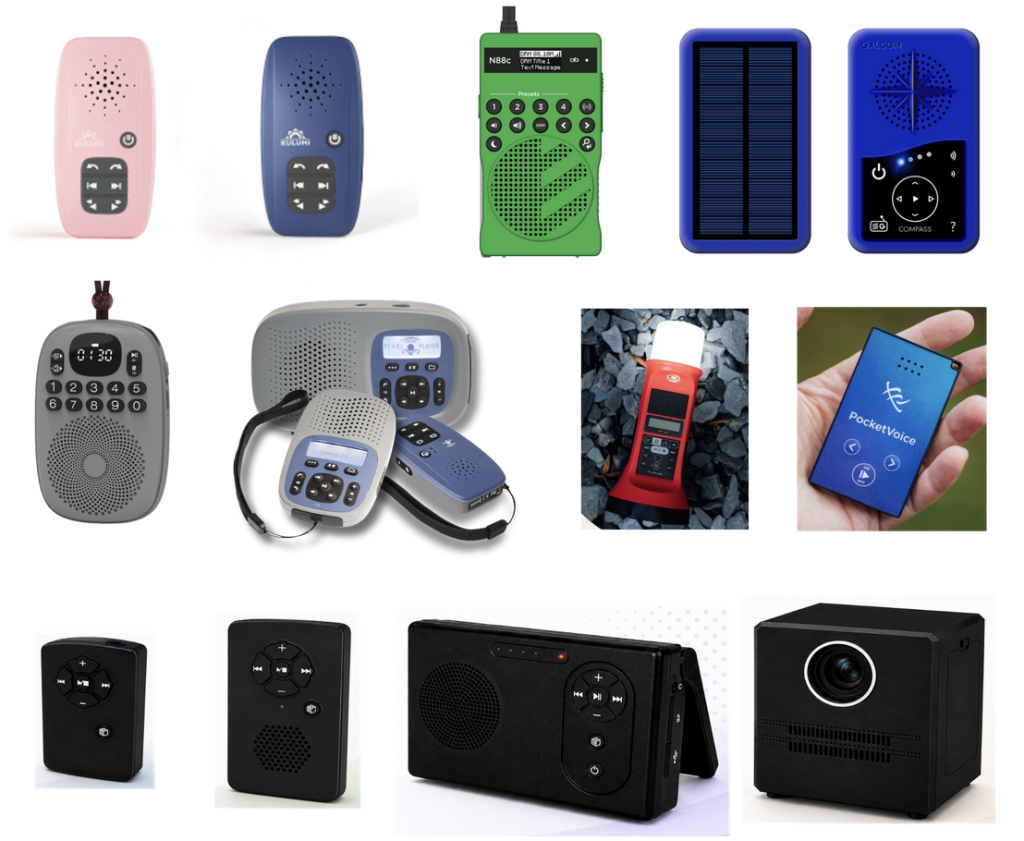
There were lots of new gadgets showcased, including solar-powered digital audio players, radios and video projectors:
4. EMDC in the years ahead
The way EMDC is being organised is changing. The plan is that for future conferences, regional planning committees (composed of representatives from committed organisations) will take responsibility for the content and communication of the events in their region. They will be supported by the EMDC steering committee and logistics team.
- EMDC Europe: In 2027, EMDC will be held in the Netherlands, from 12-15 May (pre-EMDC training) and 17-20 May (main EMDC conference).
- EMDC Africa: In 2028, EMDC will be held in Africa. A planning committee was formed last year and is working on the details. It will be a bilingual event (English/French) with a focus on Africa. We hope to hold it in Addis Ababa, Ethiopia, around May 2028.
- EMDC Asia: In 2029, EMDC will be back to Thailand.
For more information: https://emdc.info/events
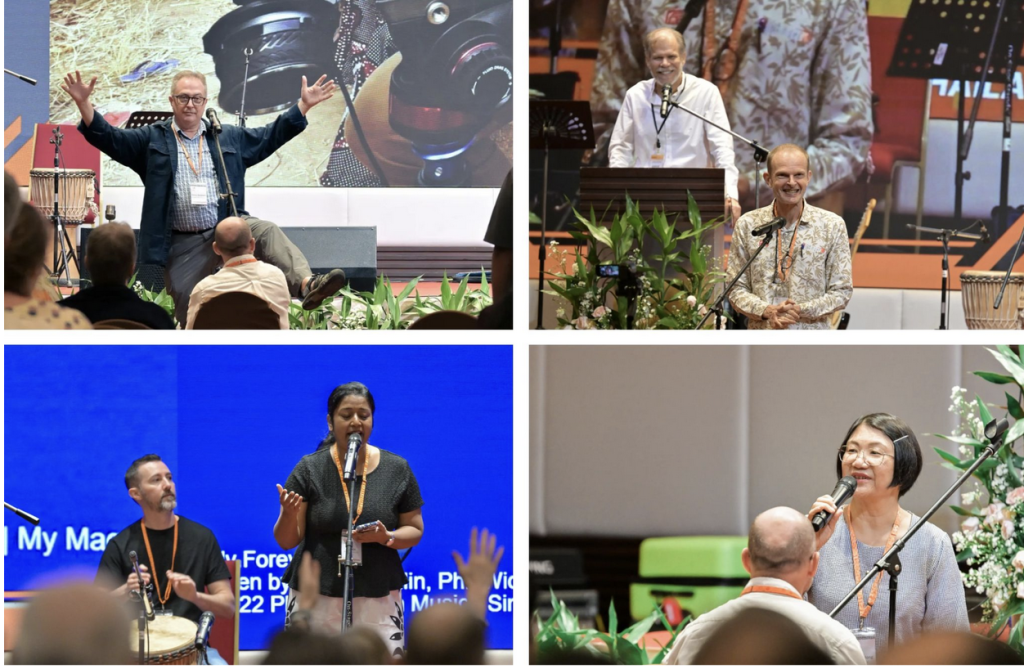
An event of this scale depends on the contribution of many people working together behind the scenes and on the platform: logistics teams, plenary speakers, worship leaders, training track facilitators, devotional speakers, breakout session presenters, accommodation and catering staff, sound and IT teams, and many others. We are deeply grateful to all the organizations and individuals who generously gave their time, expertise, and resources to make EMDC possible, as well as to the EMDC Steering Committee and the conference planning and logistics team for their hard work and dedication.
We pray that the Lord will use the relationships formed, ideas shared, and partnerships strengthened during this year’s conference to bear lasting fruit for his kingdom in the years ahead.
Richard Margetts & Steve Baughman
((Identical report in PDF below))